
Verify the download source
Check the exact site and installer before opening files from search ads, messages or unknown links.
Check your wallet installationDiscover a self-custody wallet approach with an accessible product interface and practical guidance on local keys, offline recovery backups, multi-chain assets and transaction checks.
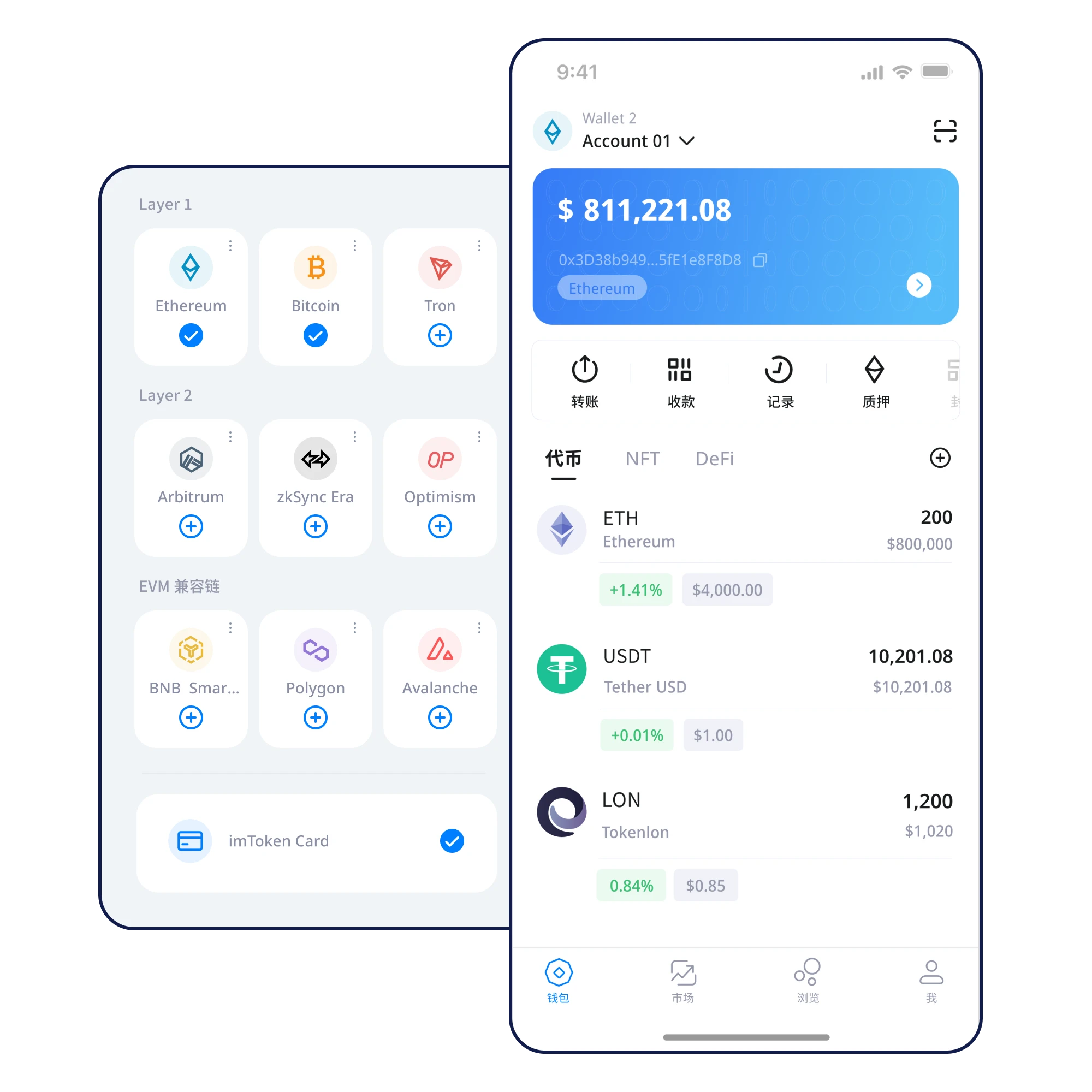
An illustrative interface only, not a real account or live chain data.
A token symbol is only the starting point. Chain, token identity and transaction fees all deserve attention before taking action.
Check the exact site and installer before opening files from search ads, messages or unknown links.
Check your wallet installationUse a trusted device; distinguish creating a new wallet from importing credentials you already own.
Create your first walletCopy each word and its order offline. Avoid screenshots and cloud-synced notes.
Make your first recovery backupVerify that your record is complete and stored privately before receiving assets.
Recover a wallet from backupConfirm token contracts and networks when viewing or adding assets across chains.
Manage assets across networksReview the address, network, amount, fees and signing permissions. Stop when something looks unfamiliar.
Check before sending assetsExplore the responsibilities of self-custody, practical device controls, offline backup habits and transaction verification when wallet credentials are managed locally.
Read the guide
Understand how to prepare a trusted environment, use an existing recovery backup and check the correct networks and assets after restoring access to a wallet.
Read the guide
Review the destination address, token, chain, transaction amount and network fee before sending. Learn when to pause and verify unusual requests or approvals.
Read the guide
Offline storage and a tested recovery plan are central to self-custody.
Check destinations, networks, amounts and allowances for each action.
A complete and carefully stored backup supports a safer recovery process.
Follow your next task, rather than learning everything at once.
Network context matters as much as asset names.
↗
Plan the migration before switching devices.
↗Read the request before you approve it.
↗Warnings inform decisions; they do not replace them.
↗Check the full domain
Avoid unknown linksRead signing details
Reject unclear requestsReview your backup method
Never upload or shareVerify every field
Consider a cautious testSelf-custody means that you keep the credentials that control wallet access. Review the actual product terms before assuming any specific custody arrangement.
Live balance updates and broadcasting transactions generally require a network connection; preparing an offline backup does not.
Write it down privately and offline. Avoid screenshots, cloud notes and sending the phrase through messages.
A private key generally controls an account, while a recovery phrase may restore multiple accounts. Both require careful protection.
Check the source, protect your backup, and review every transaction before signing.
⬇ Download Now